
A strong digital marketing strategy starts with setting clear and measurable goals. These should align with the overall business vision and can include increasing website traffic, improving conversion rates, strengthening brand presence, or boosting sales.

How to Define Effective Goals and KPIs
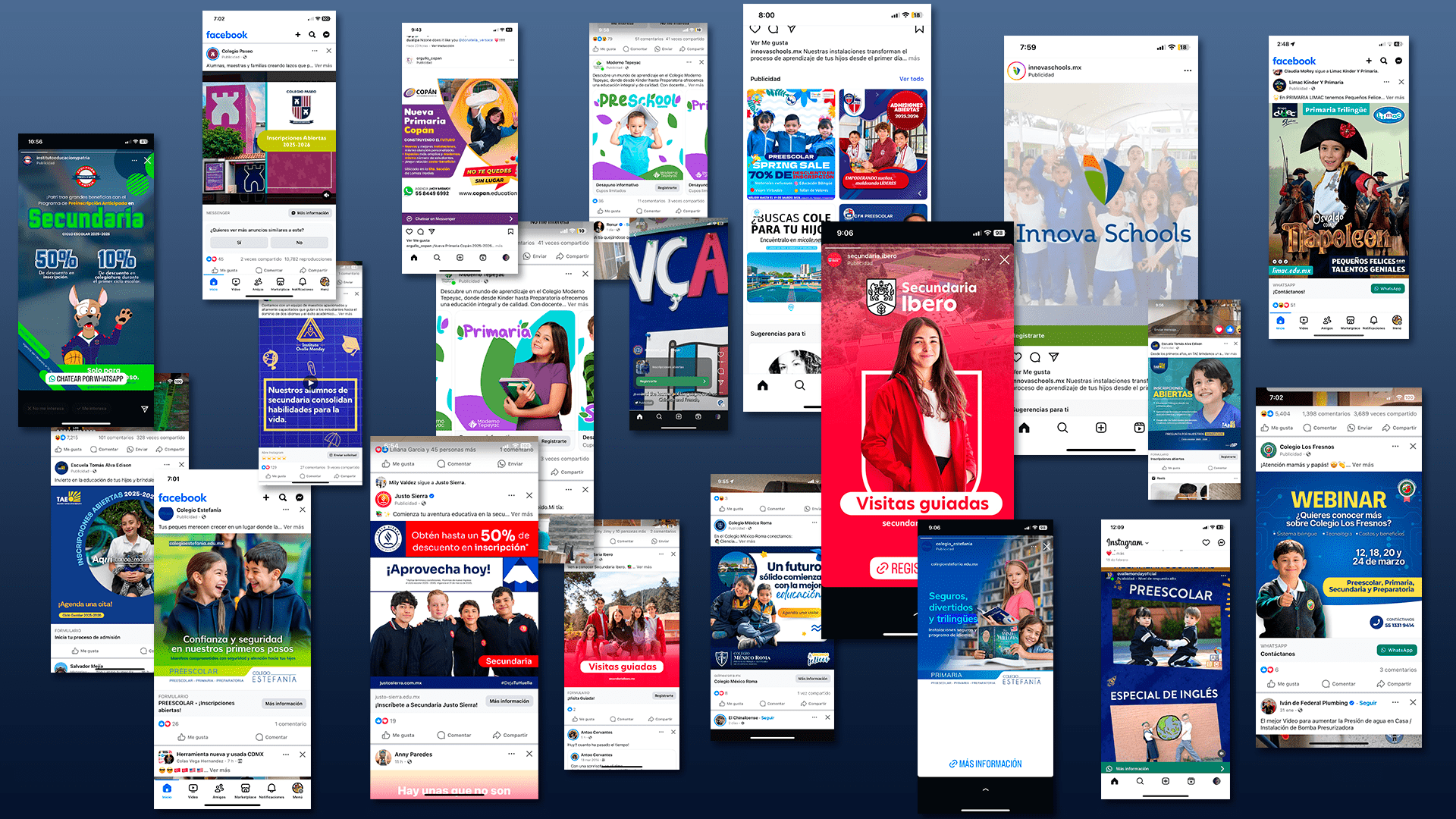
Let’s go through a practical exercise on defining goals and KPIs. Imagine you run an elementary school. Like any business, your primary objective is to increase enrollment. However, timing is a crucial factor: if it’s mid-school year (December-January), would launching a conversion-focused campaign be effective?
The answer is no. During this period, parents are focused on the holidays and are unlikely to consider switching schools for their children. While they always care about their kids’ education, an educational offer at this moment won’t immediately capture their interest.
Alternative Strategy: Branding and Brand Awareness
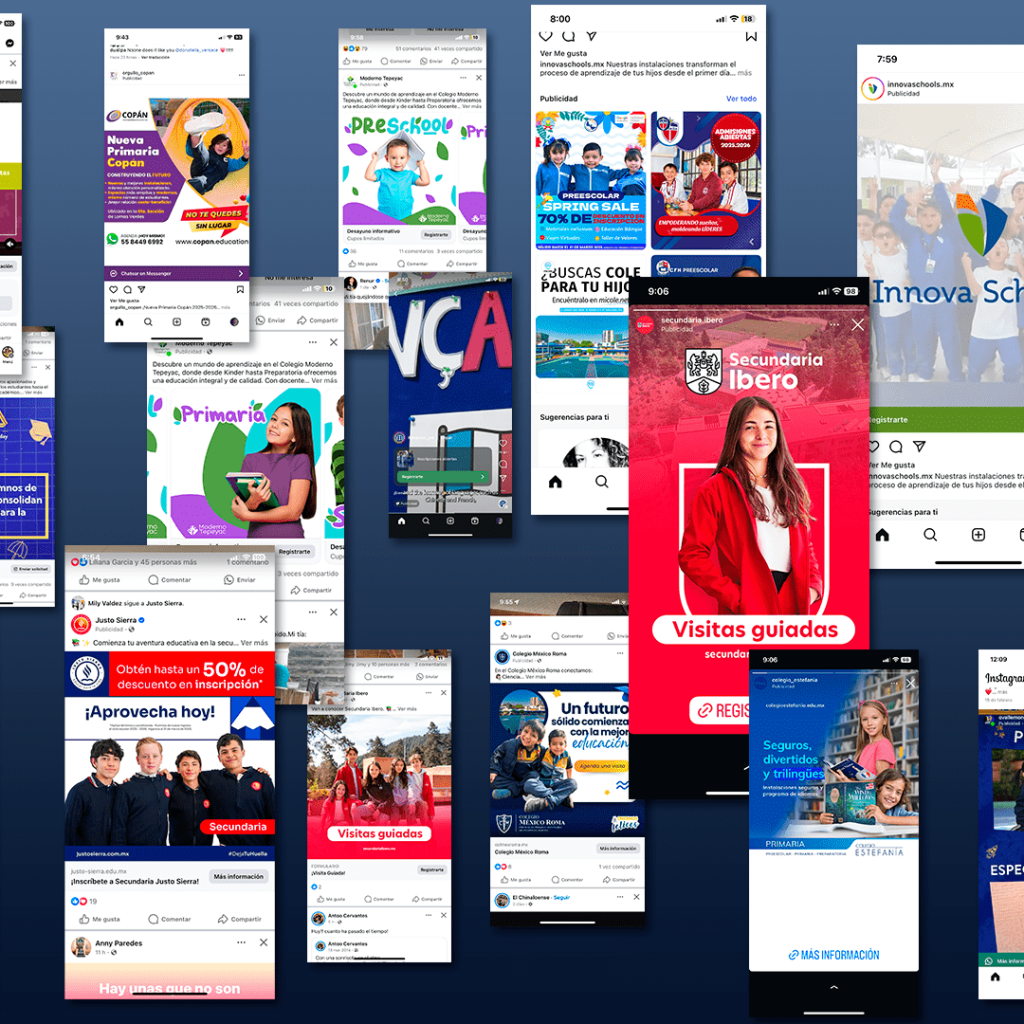
If conversions aren’t viable at this stage, what should the objective be? Suppose the school is relatively new or has little online presence. In this case, the goal should focus on brand positioning and reputation building.
Key Actions:
- Increase visibility in surrounding communities.
- Strengthen brand recognition with the school’s logo and name.
- Encourage referrals from parents already familiar with the institution.
To achieve this, it’s essential to create valuable educational content for parents. Even if they’re not looking for a new school at the moment, they’re always interested in information about their children’s education. This is where a content strategy optimized for SEO and SEM comes into play.
Frameworks for Setting Clear Goals
1. SMART Goals
Goals should meet the following criteria:
- Specific: Clear and concrete.
- Measurable: Quantifiable.
- Achievable: Realistic based on resources.
- Relevant: Aligned with the overall strategy.
- Time-bound: Defined within a specific timeframe.
Example: “Increase website traffic by 30% in six months through content strategies and SEO.”
2. OKRs (Objectives and Key Results)
This framework helps set ambitious objectives with measurable key results.
Objective: Improve conversion rates in the online store.
Key Results:
- Increase conversion rate from 2% to 4% in three months.
- Boost average time on site by 20%.
- Reduce cart abandonment by 15%.
Common Mistakes in Goal Setting
- Failing to set relevant KPIs: Tracking too many metrics without focusing on the most important ones.
- Ignoring the buying cycle: Trying to sell to an audience that isn’t ready.
- Misaligning goals with strategy: Generating traffic without a clear conversion strategy.
- Not adjusting goals based on performance: Failing to review data and make necessary optimizations.

KPIs for Measuring Brand Positioning
To assess the impact of branding and positioning strategies, key KPIs include:
- Reach
- Click-through rate (CTR)
- Engagement (likes, comments, shares)
- Form submissions (e.g., downloading an eBook on “How to Identify Your Child’s Talents”)
- Customer referrals
My recommendation for schools is to maintain a low but consistent digital advertising investment during off-seasons. This builds audience engagement and lays the groundwork for conversion campaigns when the time is right. Additionally, remarketing optimizes acquisition costs and improves return on investment.
Types of Goals in Digital Marketing
Identifying the type of goal you aim to achieve is essential. Below, we break down the main goal types with examples across various industries.
1. Conversion Goals
These goals drive sales, sign-ups, or direct user actions. They are measured using KPIs such as conversion rate, ROI, and average order value.
Industry Examples:
- Fashion e-commerce: Increase online purchases by 20% through promotions and remarketing.
- SaaS software: Boost free trials by 30% with targeted LinkedIn ads.
- Restaurants: Generate 15% more online reservations via Google My Business and social media ads.
2. Brand Awareness Goals
These goals focus on increasing brand recognition and improving public perception. Measured through reach, impressions, mentions, and engagement.
Industry Examples:
- Healthcare clinic: Expand social media presence with educational content on preventive health.
- Private school: Build brand awareness in the community through video testimonials from parents and students.
- Natural cosmetics brand: Increase Instagram engagement by 50% with educational content about natural ingredients.
3. Traffic Generation Goals
The goal is to drive more visitors to a website or physical store, measured through KPIs like sessions, time on site, and traffic sources.
Industry Examples:
- Travel agency: Boost blog visits by 40% with SEO-optimized articles on popular destinations.
- Car dealership: Increase website traffic by 25% through Google Ads and car review content.
- Local supermarket: Drive 30% more in-store visits with exclusive promotions advertised on Facebook Ads.
4. Engagement and Retention Goals
Attracting customers is important, but retaining them is even more critical. These goals focus on fostering interaction and loyalty among existing customers.
Industry Examples:
- Coffee shop: Encourage customer loyalty with a rewards program based on repeat purchases.
- Online learning platform: Increase student engagement through gamification and exclusive content.
- Tech brand: Enhance community participation with online forums and digital events.
Conclusion: Key Factors for Defining Your Goals
To set effective digital marketing goals, consider the following factors:
- Timing
- Business type
- Budget
- Target audience
- Buying cycle
- Competition
- Communication channels
- Key metrics (KPIs)
- Value proposition
Defining clear and measurable goals is the first step to a successful digital marketing strategy. Adjust your strategy based on audience behavior and evolving needs!
Ready to take your business to the next level with a well-defined digital marketing strategy? At FredyRauda.com, we help you set clear goals, optimize your digital presence, and maximize your results. Contact us today and transform your online strategy!